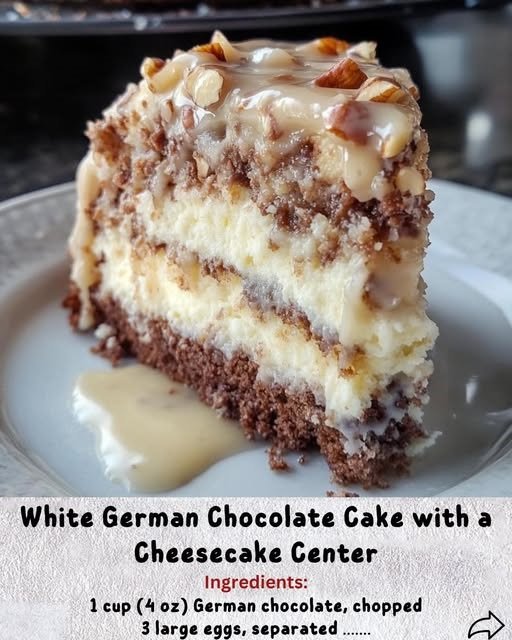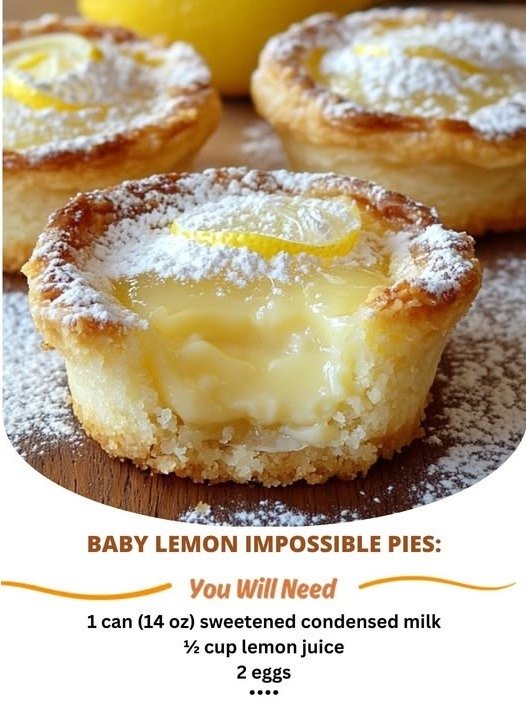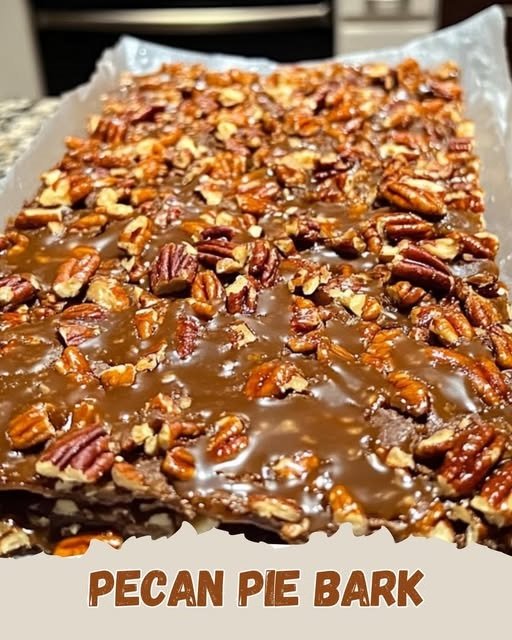
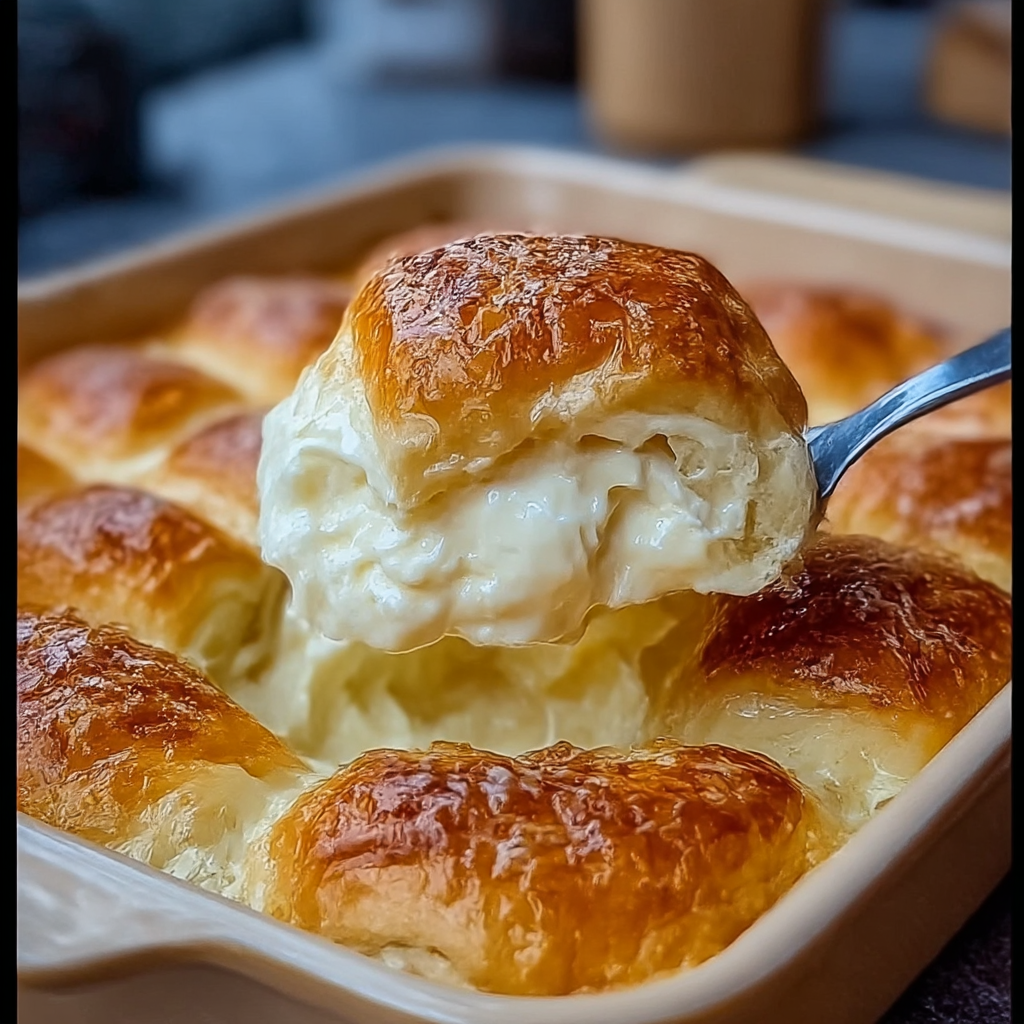
This Cheesecake Crescent Rolls Casserole creates a simplified version of cheesecake by layering sweetened cream cheese filling between sheets of crescent roll dough, then finishing with a vanilla glaze. The recipe transforms convenient refrigerated dough into a dessert that delivers cheesecake flavors without the complexity of traditional preparation methods. The crescent rolls provide a tender, flaky texture that contrasts with the smooth cream cheese layer while the glaze adds sweetness and visual appeal.
However, I notice the ingredient list shows only one can of crescent rolls while the instructions reference using a second can for the top layer. This inconsistency needs clarification for successful execution.
Why You’ll Love This Recipe
Quick Assembly Time – Uses convenient crescent roll dough for faster preparation than traditional cheesecake.
Simplified Technique – No water bath or complex temperature control required for successful results.
Customizable Toppings – Easy to modify with different fruits, nuts, or flavor extracts.
Crowd-Friendly Format – Cuts into neat squares for easy serving at gatherings.
Beginner-Friendly Approach – Accessible for those intimidated by traditional cheesecake methods.
Warm Serving Option – Can be enjoyed warm or at room temperature unlike traditional cheesecake.
Ingredients You’ll Need
For the Casserole Base:
- 2 cans (8 oz each) refrigerated crescent roll dough – provides top and bottom layers
- 8 oz cream cheese, softened – creates the cheesecake filling
- 1/2 cup granulated sugar – sweetens the cream cheese mixture
- 1 large egg – helps bind and set the filling
- 1 teaspoon vanilla extract – enhances flavor
- 1/4 teaspoon almond extract (optional) – adds bakery-style depth
For the Vanilla Glaze:
- 1 cup powdered sugar – creates smooth glaze base
- 2-3 tablespoons milk or heavy cream – adjusts glaze consistency
- 1/2 teaspoon vanilla extract – provides flavoring
Optional Toppings:
- Fresh berries (strawberries, blueberries, raspberries) – adds color and fresh flavor
- Sliced almonds or chopped pecans – provides textural contrast
- Sprinkles or shredded coconut – enhances visual appeal
Step-by-Step Instructions
Prepare the Baking Environment
Preheat oven to 350°F (175°C). Grease a 9×9-inch baking pan or line with parchment paper for easier removal.
Create the Bottom Layer
Unroll one can of crescent roll dough and press triangles together in the bottom of the prepared pan, creating an even layer that covers the entire bottom.
Make the Cheesecake Filling
In a bowl, beat cream cheese, granulated sugar, egg, vanilla extract, and almond extract (if using) until completely smooth and free of lumps.
Assemble the Layers
Spread cheesecake mixture evenly over the crescent roll base. Unroll the second can of crescent dough and place over the filling, pressing seams gently to seal.
Bake to Golden Brown
Bake for 25-30 minutes until top is golden brown and filling is set when tested with a toothpick.
Cool Before Glazing
Allow to cool for 10-15 minutes before applying glaze. This prevents the glaze from melting completely.
Prepare and Apply Glaze
Whisk together powdered sugar, milk, and vanilla until smooth. Adjust consistency as needed. Drizzle over slightly warm casserole.
Add Final Touches
Top with fresh berries, nuts, or other desired toppings. Cut into squares and serve warm or at room temperature.

Recipe Notes & Tips
Dough Quantity Clarification – Recipe requires 2 cans of crescent rolls despite ingredient list showing only one.
Cream Cheese Temperature – Ensure cream cheese is fully softened for smooth mixing without lumps.
Sealing Technique – Press dough seams together gently to prevent filling from leaking through.
Cooling Importance – Allow proper cooling time before glazing to prevent complete melting.
Serving Temperature – Unlike traditional cheesecake, this can be served warm for different texture experience.
Nutritional Information
- Prep Time: 10 minutes
- Cook Time: 30 minutes
- Total Time: 40 minutes
- Servings: 6 people
- Rich dessert intended for special occasions
Perfect Pairings
Beverage Options – Coffee, tea, or milk complement the sweet, creamy flavors effectively.
Fresh Elements – Berries or citrus fruits provide acidic balance to rich filling.
Temperature Service – Delicious both warm and at room temperature for serving flexibility.
Portion Control – Rich enough that modest squares provide satisfying dessert portions.
Ideal Occasions
Casual Entertaining – Easier preparation than traditional cheesecake while maintaining impressive appearance.
Potluck Contributions – Travels well and appeals to those who enjoy cheesecake flavors.
Family Desserts – Simple enough for regular family meals yet special enough for celebrations.
Make-Ahead Options – Can be prepared hours in advance and served at room temperature.
Storage & Serving Tips
Room Temperature Storage – Can sit out for several hours due to the baked format.
Refrigeration Option – Store covered in refrigerator for up to 3 days for longer keeping.
Reheating Method – Warm gently in low oven if desired, though not necessary.
Clean Cutting – Use sharp knife wiped between cuts for neat presentation.
Creative Variations to Try
Flavor Modifications – Try different extracts like lemon or orange for varied taste profiles.
Fruit Integration – Fold berries or fruit preserves into the cream cheese filling.
Chocolate Addition – Add cocoa powder to filling or drizzle with chocolate instead of vanilla glaze.
Crust Alternatives – Experiment with different refrigerated dough products for varied textures.
Troubleshooting Common Issues
Soggy Bottom – Ensure bottom layer is pressed firmly and oven is properly preheated.
Lumpy Filling – Beat cream cheese thoroughly and ensure it’s completely softened before mixing.
Leaking Filling – Seal dough seams carefully and avoid overfilling.
Runny Glaze – Adjust powdered sugar to milk ratio for desired consistency.
Why This Recipe Works
This casserole succeeds because it adapts cheesecake flavors to a more accessible format while using convenient ingredients. The crescent roll dough provides structure and eliminates the need for traditional crust preparation, while the simplified filling delivers recognizable cheesecake taste without requiring precise temperature control.
The format makes serving easier while maintaining the essential sweet, creamy elements people expect from cheesecake-inspired desserts.
Final Thoughts
This recipe represents practical dessert making that prioritizes convenience without completely sacrificing flavor quality. While it won’t replace traditional cheesecake for special occasions, it provides a satisfying alternative for casual entertaining or when you want cheesecake flavors with less complexity.
The ingredient list inconsistency should be corrected to avoid confusion during preparation, but the concept offers a valid approach to simplified cheesecake-style desserts.